

Seven Seeds
Indigenous Foundation Course
A course created for everyone that can be taken by anyone!
This course is now open for continuous enrollment, start when you’re ready and learn at your own pace.
Please note that this course has been designed and developed by Indigenous people. All information presented is done so with authenticity, respect, and reciprocity.
About
The Seven Seeds Indigenous Foundations Course is designed as a welcoming starting place for anyone looking to learn more about Indigenous Peoples, perspectives, ways of knowing, and science (STEM).
Many introductory courses on Indigenous Peoples focus primarily on difficult histories such as Residential Schools, the Sixties Scoop, and colonization. While these are essential parts of the story, they are not the whole story. This course explores both truth and strength by examining histories alongside Indigenous excellence, knowledge systems, resilience, and innovation.
No prior knowledge is needed. Whether you are just beginning your learning journey or have engaged with this material before, the course is designed to plant, nurture, and grow the good seeds of understanding.
Through clear, accessible, and engaging learning, complex topics are broken down in ways that are meaningful, insightful, and universally accessible. But most of all, inspiring and fun!
Certificate of Completion
A certificate honouring the work that you have completed, and the foundation you have built for understanding Indigenous Peoples, perspectives, ways of knowing, and science, will be awarded upon the completion of:

Watching all 7 virtual modules

At-home reflection work
Course Format

This course is fully online, flexible, and self paced. You can begin anytime and move through the learning in a way that fits your schedule. Most participants complete the course in about 12 to 14 hours.
The learning is organized into seven engaging modules. Each module includes video lessons, guided reflections, and carefully selected resources designed to deepen understanding and support meaningful learning.
Frequently Asked Questions
-
This course is designed for anyone and everyone. Whether you live in Ontario, across Canada, in the United States, or anywhere in the world, this course provides a strong foundation for understanding Indigenous Peoples, perspectives, and ways of knowing.
It is especially valuable for those who are beginning their learning journey, as well as those who want to deepen their understanding. Participants will leave with the knowledge, tools, and confidence to continue learning about the original and present inhabitants of Turtle Island.
-
The Seven Seeds Indigenous Foundations course was created with everyone in mind, and is universally accessible. If you have any questions about accessibility requirements, please email admin@manoominlearning.ca
Course Syllabus
Throughout this course, seven seeds of learning will be planted. With each seed representing a core learning outcome that helps build a strong foundation for understanding Indigenous Peoples, perspectives, ways of knowing, and science (STEM).
Each module is also guided by one of the Anishinaabe Grandfather Teachings. The learning within each module is shaped by the spirit and meaning of that teaching, helping participants connect knowledge with the values that have guided Indigenous communities for generations.
Together, these seven seeds and teachings form the foundation of the course syllabus and outline the key areas of learning that participants will grow through as they move along their journey.
An Introduction to Indigenous Peoples of North America
In this module, learners are introduced to the original Peoples of North America. The module explores both the shared foundations that connect Indigenous Peoples, as well as the rich diversity that exists among distinct Nations, cultures, languages, ways of knowing, and scientific practices.
Central to these differences and shared commonalities is the understanding and relationship to the land and all the non-human beings of the land.
This module also explores terminology associated with Indigenous Peoples. Learners will build confidence in using appropriate and respectful language, recognizing that meaningful conversations begin with a clear understanding of the words we use.

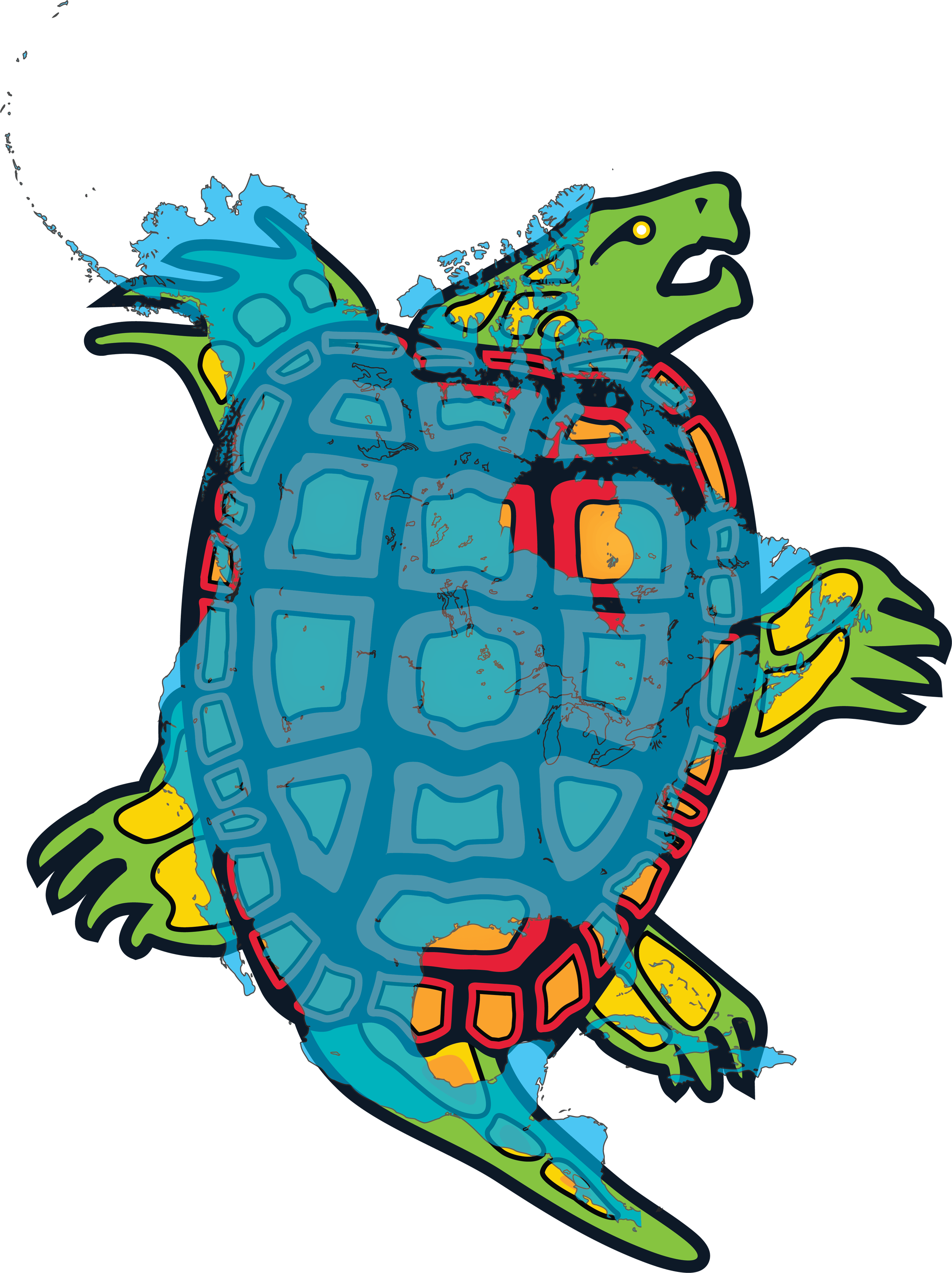
Session 1: The People Atop a Turtles Back
Honouring our Grandfather of Debwewin ‘truth’. Which in Anishinaabemowin means ‘to speak only to the extent, we have lived or experienced.’ Represented by the spirit of the Turtle.


Whether we know it or not, we all have our own lenses through which we look and understand the world. This lens is shaped by our backgrounds, education, and our own unique lived experiences. Lenses are also cultural, and in this module, we explore a lens we are all likely familiar with: the Western or Euro-Canadian worldview.
To compare and contrast, participants will be also be introduced to the Indigenous lens, which is a shared foundation among many Indigenous Peoples of North America, influencing cultures, languages, and knowledge systems for thousands of years, and hundreds of generations. This lens is essential for gaining a deeper understanding of Indigenous Peoples and their ways of knowing.
Session 2: Seeing in Circles
Understanding the Indigenous Lens and Circular Worldview
Honouring our Grandfather of Nibwaakaawin ‘wisdom’. Which in Anishinaabemowin means ‘to live with vision.’ Represented by the spirit of the Beaver.

Long before Europeans arrived on this land, Indigenous Nations were making agreements to maintain peaceful relationships since time immemorial. These traditional agreements were recorded through Wampum. While Wampum served as a way of documenting histories and treaties, they remain living agreements today, offering guidance on how human beings are meant to live with one another and share the land respectfully with all beings, not just humans.
When Europeans arrived, they brought not only goods and materials, but also different worldviews and ideologies. As treaty relationships were formed, European governments often viewed them as agreements about land ownership and transfer. However, when understood through an Indigenous lens, these same treaties are rooted in partnership, responsibility, and the sharing of the land.
In this module, learners will explore treaties from both Indigenous and Euro-Canadian perspectives, asking an important question: were these agreements meant to be about partnership or property?
Session 3: An Agreement to Partnership or Property?
Understanding Treaties and Wampum

Honouring our Grandfather of Dabasendiziwin ‘humility’. Which in Anishinaabemowin means ‘to think lower of oneself in relation to all that sustains us.’ Represented by the spirit of the Wolf.

From the Indigenous perspective, you don’t have to be a scientist to learn about the land and all the beings of the land. It is understood that it is our role and responsibility to learn about all of creation and all of the relationships within creation. Understanding that we as humans are not the most important of beings, but rather one part of an interconnected circle of life. This perspective has guided diverse forms of science across Indigenous Nations, each shaped by deep knowledge of the environments in which they lived.
The module examines what informs and defines Indigenous science, including its values, methods of knowledge gathering, and relationship-based approach. Learners will explore examples of Indigenous science, engineering, technology, and mathematics (STEM), with specific teachings and innovations from the Anishinaabe and Haudenosaunee.
Session 4: STEMories of a Respectful Science

An introduction to Indigenous science, engineering, technology, and mathematics (STEM)
Honouring our Grandfather of Manaaji’idiwin ‘respect’. Which in Anishinaabemowin means ‘to go easy on one another and all of Creation.’ Represented by the spirit of the Buffalo.


Session 5: Building a Timeline of the Colonization of North America
The history of the lands in North America that are now divided among Canada, the United States, and Mexico is clouded by mistruths and has largely been told from a single perspective: that of the European Nations that colonized these lands.
In this module, learners will develop a more balanced understanding of the colonization of the Northeastern Woodlands by exploring a timeline of key events. This timeline helps to not only illuminate the past, but also bring us into the present, and inform the shared future between Indigenous, non-Indigenous, and all beings of the land.
One key takeaway from this session is how the relationship between Indigenous Peoples and European colonizers changed over the colonization period from that of friends to foes.
Honouring our Grandfather of Gwayakwaadiziwin ‘honesty’. Which in Anishinaabemowin means ‘to live correctly and with virtue’. Represented by the spirit of the Sabe ‘Sasquatch’.

Reconciliation is defined as the restoration of friendly relationships. In the context of colonization, this means rebuilding respectful and just relationships between Indigenous and non-Indigenous Peoples.
But before true reconciliation can occur, there must first be truth. In this module, learners will explore the complex and difficult history of colonial policies and practices aimed at eradicating and assimilating Indigenous Peoples, including the Residential School system and the Sixties Scoop. Understanding this history is crucial to understanding why reconciliation is needed today.
This learning is balanced by exploring what true reconciliation means and how it can move beyond words into action. Participants will examine principles of reconciliation, including the 94 Calls to Action of the Truth and Reconciliation Commission, and consider how these can guide meaningful reconciliACTION in everyday life.
Learners will also explore how colonization disrupted relationships with the land and non-human beings, and why many Indigenous teachings emphasize that true reconciliation must also include restoring our relationships with the Earth and all of creation.
Session 6: Beyond Words and Towards Action
Making Change Happen from Reconciliation to ReconcilACTION
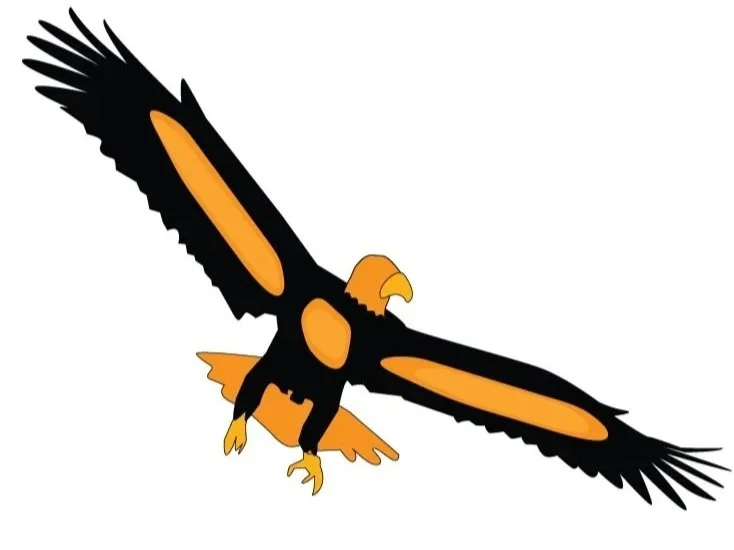
Honouring our Grandfather of Zaagi’idiwin ‘love’. Which in Anishinaabemowin means ‘unconditional love between one another including all of Creation, humans and non-humans.’ Represented by the spirit of the Eagle.
Despite the history of colonization and the many policies and practices aimed at erasing and assimilating Indigenous Peoples, Indigenous Nations, communities, and individuals are still here. Despite facing tremendous adversity, many are walking with bravery and continue to move forward with strength, resilience, and vision.
In this module, learners will explore Indigenous changemakers who are creating positive and meaningful impacts across many areas of society, including politics, the arts, environmental stewardship, social leadership, and sports.
Participants will examine examples of changemaking at the Nation, organizational, and individual levels, gaining a deeper appreciation for the ongoing contributions, leadership, and future pathways being shaped by Indigenous Peoples today.
Session 7: Indigenous Innovators in Action
Indigenous Changemaking at the Nation, Organization, and Individual Level


Honouring our Grandfather of Zoongide’ewin ‘bravery’. Which in Anishinaabemowin means ‘to live with a solid, strong heart.’ Represented by the spirit of the Bear.
The Journey of the Seven Seeds
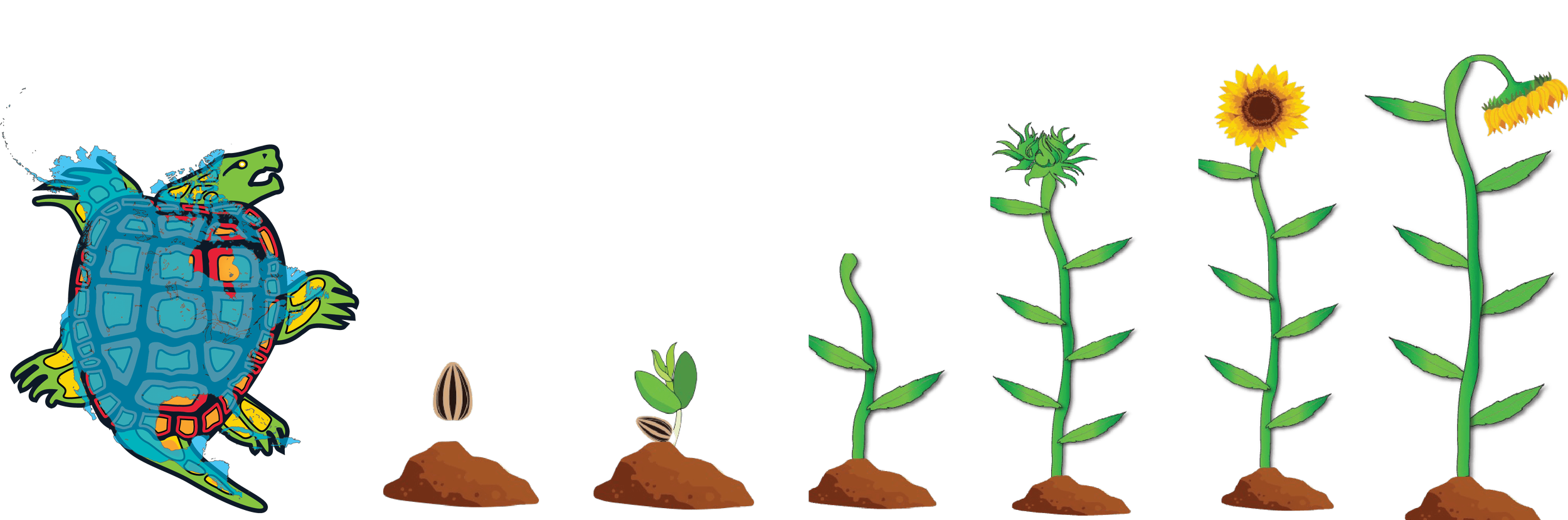
This course is meant to be the beginning of your learning journey and not the end. Like seeds, the understandings gained here are meant to continue growing. Participants are encouraged to carry this learning forward, nurturing their curiosity, deepening relationships, and continuing their journey of learning about the original and present inhabitants of Turtle Island.

Course Fee
The course fee is CAD $250 (with HST included). Payment instructions can be found after clicking on the ‘Sign Up’ button.
For corporate or group discounts, please contact admin@manoominlearning.ca


Start Your Learning Journey Today
If you are interested in learning more or you’re looking to deepen your understanding, please click on the button below and start today.
If you have any questions regarding registration, please contact admin@manoominlearning.ca